
6 Min Read
The first time you walk into a 1920s home in South Bend, it’s easy to fall in love.
The arched doorways.
The original hardwood floors.
The hand-built trim that feels solid in a way modern construction rarely does.
What most homeowners don’t see, at least not yet, is what’s behind the plaster.
Outdated wiring wrapped in cloth insulation.
Galvanized plumbing that’s slowly restricting water flow.
Foundations that have shifted subtly over a century of freeze-thaw cycles.
Framing that was built beautifully… but not for modern HVAC systems.
Renovating a historic home quickly becomes an engineering puzzle wrapped in craftsmanship and governed by local preservation expectations. Barbour Construction has spent years working inside these homes. We understand how they were built, how they’ve aged, and how to modernize them without stripping away what made them special in the first place. Before you begin your own renovation, there are a few things you should understand.
On this page:
- What Qualifies as a “Historic Home” in South Bend?
- The Real Cost of Renovating a Historic Home in South Bend
- The Biggest Mistakes Homeowners Make When Renovating a Historic Home
- Modernizing a Historic Home Without Losing Its Character
- Ready To Renovate Your Historic Home?

What Qualifies as a “Historic Home” in South Bend?
Understanding the differences among older homes throughout the Michiana area can save you time, money, and frustration when embarking on a home remodel.
Age vs. Official Historic Designation
Many people assume that if a home is 100 years old, it must be “historic” in the regulatory sense. That isn’t always true. There are generally two categories:
Older Homes (50+ Years Old)
These homes still come with structural and system challenges, but fewer exterior approval hurdles.
- May not be in a designated historic district
- Subject to standard city permitting requirements
- Interior renovations are typically unrestricted beyond building code
Officially Designated Historic Properties
Homes located within a recognized historic district or individually designated property may require:
- Additional review for exterior changes
- Approval for window replacements
- Oversight on siding, roofing, and additions
- Compliance with architectural preservation standards
South Bend Historic Preservation Guidelines
If your home is located in a designated district, certain changes may require review before permits are issued. Common areas requiring approval include:
- Exterior additions
- Window replacements (especially if altering size or material)
- Siding changes
- Porch modifications
- Roofline alterations
Interior renovations typically have more flexibility, but structural changes that affect the exterior can trigger additional oversight.
An experienced contractor understands how to design updates that satisfy modern living requirements while respecting historic character and how to navigate approval processes without unnecessary delays.
Permits Required for Historic Renovations
Regardless of designation, most historic home renovations in South Bend require permits for:
- Structural modifications
- Load-bearing wall removal
- Plumbing system replacement
- Electrical rewiring
- HVAC installation or reconfiguration
- Additions or expansions
Older homes often require more invasive updates simply to meet modern safety standards.
For example:
- Knob-and-tube wiring must typically be replaced.
- Galvanized plumbing often needs full replacement.
- Foundations may require reinforcement before adding square footage.
Why This Matters Before You Start
Many homeowners begin with a vision board.
Few begin with a structural evaluation.
Before design decisions are finalized, it’s critical to understand:
- What you’re allowed to change
- What must be preserved
- What systems must be upgraded
- What structural limitations exist
Barbour Construction's Project Development Agreement phase exists specifically to uncover these variables early and proactively. Historic renovations succeed when planning leads. They become stressful when assumptions do.
The Real Cost of Renovating a Historic Home in South Bend
Of course, you're wondering, “How much does it cost to renovate a historic home?”
Why Historic Renovations Cost More Than Standard Remodels
Renovating a 1920s or 1930s home is rarely just about updating finishes. Behind the walls, you’ll often find:
- Knob-and-tube or outdated electrical systems
- Galvanized plumbing restricting water flow
- Uninsulated exterior walls
- Settled or uneven framing
- Outdated HVAC systems retrofitted over decades
- Structural modifications from previous remodels
While every project is unique, here are realistic investment ranges for high-quality historic renovations in the South Bend and Notre Dame area:
- Kitchen Renovations: $150,000 – $350,000
- Primary Bathroom Renovations: $70,000 – $125,000
- Whole-Home Renovations: $500,000 – $1.5M+
- Room Additions: $500,000 – $1M
- Basement Transformations: $200,000 – $400,000
These numbers reflect:
- Structural updates
- Mechanical system modernization
- Custom millwork
- High-quality materials
- Skilled craftsmanship appropriate for historic homes
The Historic Remodeling Costs Homeowners Don’t Expect
The largest budget surprises typically come from what isn’t visible on day one.
Structural Reinforcement
Older homes were not designed for open-concept layouts. Removing load-bearing walls often requires engineered beams and framing corrections.
Asbestos or Lead Remediation
Many pre-1978 homes require careful material handling and compliance with safety standards.
Re-Engineering HVAC
Historic framing rarely accommodates modern ductwork. We frequently redesign HVAC systems entirely to deliver comfort without compromising architectural integrity.
Custom Replication Work
Matching 100-year-old trim profiles, doors, or flooring often requires custom fabrication — not off-the-shelf materials.
Explore more detailed local cost information in our complimentary Cost Guide.
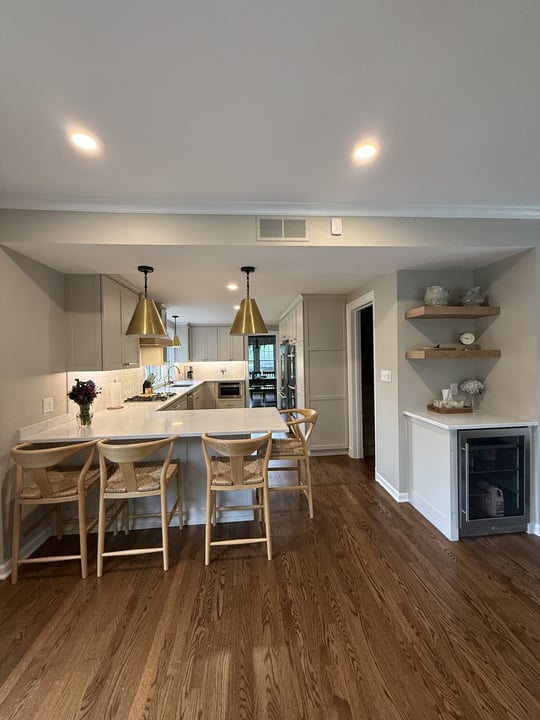
The Biggest Mistakes Homeowners Make When Renovating a Historic Home
Historic homes are incredibly rewarding to renovate. They are also unforgiving when handled incorrectly. Over the years, we’ve seen a few consistent patterns.
Hiring a Contractor Without Historic Experience
Not all remodeling experience is equal.
Modern homes:
- Use standardized framing
- Have predictable systems
- Allow easier mechanical routing
Historic homes:
- Have irregular framing dimensions
- Often contain multiple remodel layers
- Require careful preservation of architectural details
A contractor unfamiliar with historic construction can unintentionally:
- Damage original millwork
- Compromise structural stability
- Install modern materials that clash with the home’s character
Trying to Preserve Everything
Preservation is important. But attempting to keep every original element can create long-term functional problems.
For example:
- Retaining outdated wiring for the sake of authenticity
- Preserving inefficient windows that compromise comfort
- Avoiding necessary structural reinforcement
The goal is balance.
Ignoring System Modernization
A beautiful kitchen installed on top of outdated plumbing is not a successful renovation.
Common oversights include:
- Failing to replace aging plumbing lines
- Overlooking electrical capacity limitations
- Not upgrading insulation
- Avoiding HVAC redesign
Underestimating Timeline
Historic renovations take longer because they require:
- Detailed planning
- Architectural coordination
- Preservation considerations
- Custom materials
- Longer lead times
Choosing Based on Price Alone
In complex homes, the lowest number is rarely the final number. Lower bids often mean:
- Limited investigative work
- Incomplete scope
- Insufficient allowances
- Corners cut on craftsmanship
See our Portfolio for examples of our quality work.
Modernizing a Historic Home Without Losing Its Character
“If we update everything, will it still feel like our home?”
That concern is valid. Historic homes carry proportion, material depth, and craftsmanship that are difficult to replicate today. The goal of a successful renovation should be to quietly improve how the home functions while protecting what gives it identity.
Preserving Architectural Integrity
Older homes in South Bend often feature gems such as:
- Solid wood doors with original hardware
- Detailed crown molding and base profiles
- Plaster walls with subtle texture
- Narrow-plank hardwood flooring
- Built-in cabinetry crafted on site
Matching Original Trim Profiles
Custom millwork is often required to replicate 1920s and 1930s details. Off-the-shelf trim rarely aligns with historic proportions.
Preserving Sightlines and Scale
Historic homes were designed with deliberate room transitions. Expanding spaces should feel natural, not forced.
Using Materials That Respect the Era
Reclaimed brick, hand-scraped hardwood flooring, natural stone, and historically appropriate tile patterns maintain authenticity while elevating quality.
Upgrading for Modern Living
While preserving visual integrity, the infrastructure must support contemporary life. Many historic homes were never designed for:
- Central air conditioning
- Modern appliance loads
- Smart lighting systems
- Large entertaining kitchens
- Spa-level bathrooms
Re-Engineering HVAC Systems
Historic framing rarely accommodates modern duct runs. We frequently redesign HVAC systems to deliver comfort without disturbing original architectural features.
Upgrading Electrical Capacity
Panel upgrades and full rewiring are common in century-old homes to safely support modern lighting, appliances, and technology.
Improving Insulation and Energy Efficiency
Careful insulation strategies improve comfort without compromising plaster or exterior character.
Integrating Smart Technology Discreetly
Lighting control, integrated sound systems, and security systems can be installed without visual clutter.
Specialty Features That Elevate Historic Homes
Many of our historic renovation clients in South Bend incorporate features that enhance livability while respecting tradition. Popular upgrades include:
- Butler’s pantries tucked behind restored kitchen layouts
- Custom hood vents that echo original woodwork
- Floor heat systems in primary bathrooms
- Custom cabinetry that blends seamlessly with historic trim
- Re-engineered HVAC in older framing systems
- Wine rooms designed to complement traditional basements
- Four-season rooms that feel original to the home
The Balance Between Preservation and Performance
Every decision in a historic renovation involves tradeoffs.
Keep the original windows and accept energy loss, or upgrade to historically styled replacements.
Open a wall for flow, or preserve traditional room separation.
Preserve plaster, or improve insulation.
There is no universal right answer.
There is only the right answer for your home, your goals, and your lifestyle.
Experience helps guide those decisions with clarity instead of emotion. Explore our design-build process to see how our detailed planning makes these decisions clear.
Ready to Renovate Your Historic Home in South Bend, Granger, Mishawaka, or the Greater Michiana Area?
Historic homes require thoughtful planning, structural expertise, and craftsmanship that respects their original character. Barbour Construction creates high-end historic renovations, additions, and whole-home remodels throughout South Bend, Granger, Mishawaka, Elkhart, and Southwest Michigan lake communities. Our structured project development process helps uncover unknowns early and establish a clear, realistic investment plan. If you are ready to modernize your historic home without losing what makes it special, we would be honored to start the conversation.
Contact Us
Contact us to learn more about how we can transform your historic home into the space that serves your future goals.